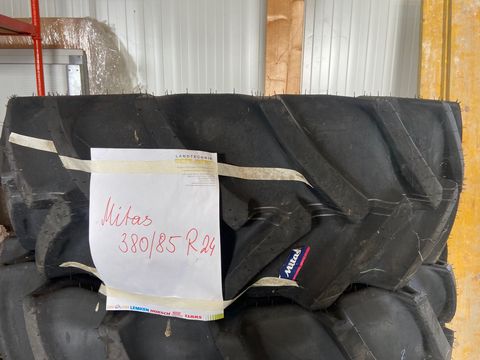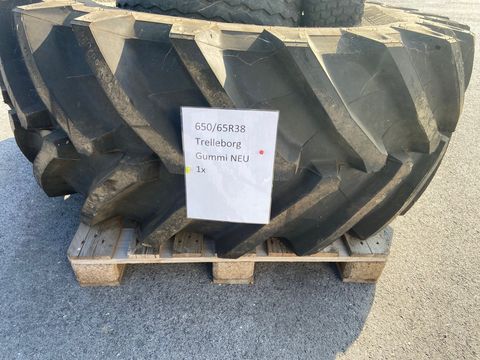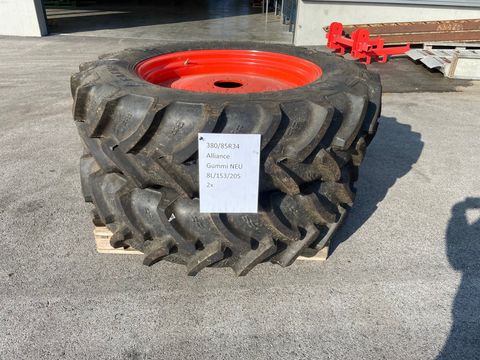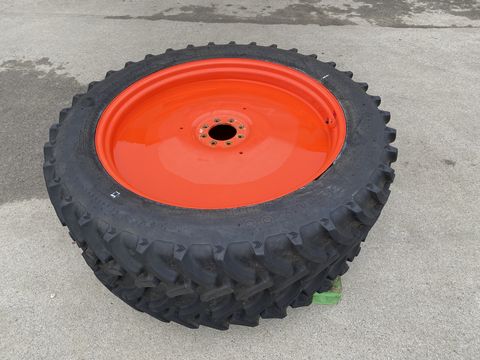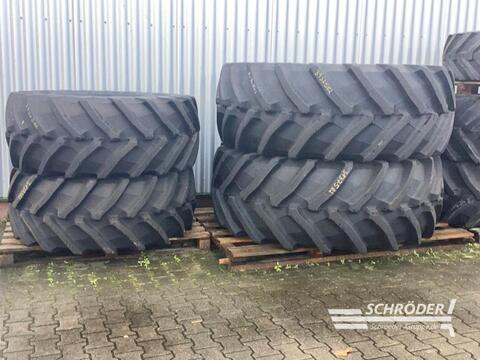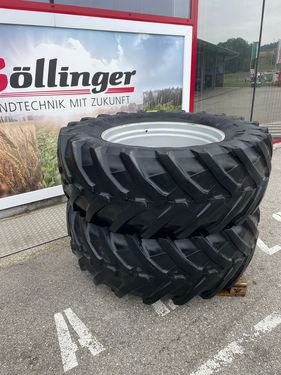
Used Wheels and tires for sale

  Results

Classified ad

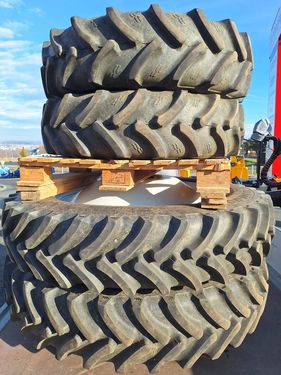
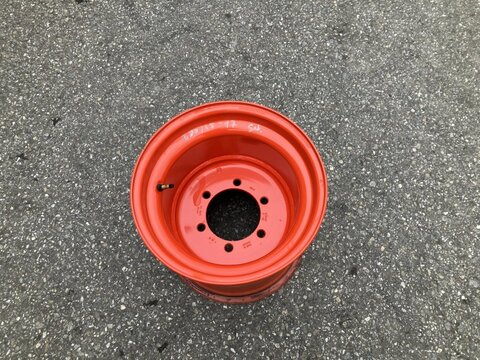
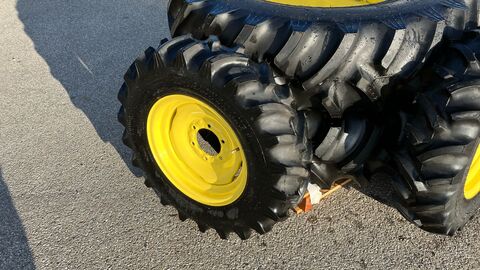
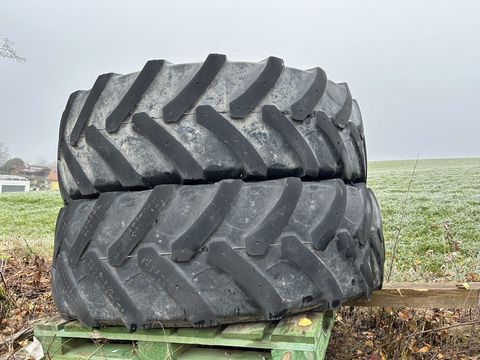
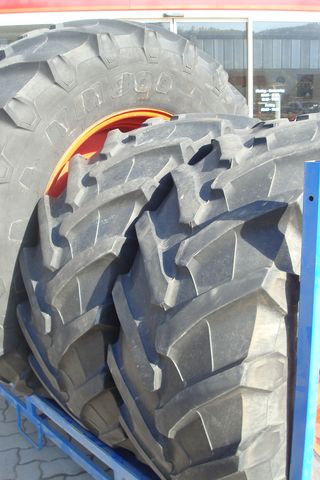
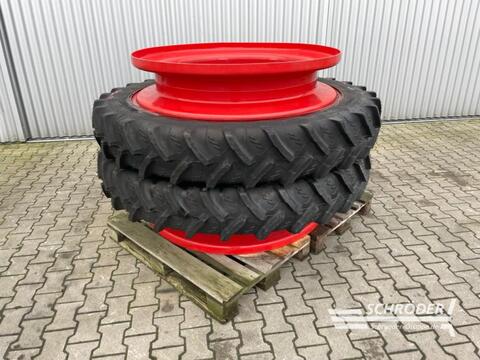
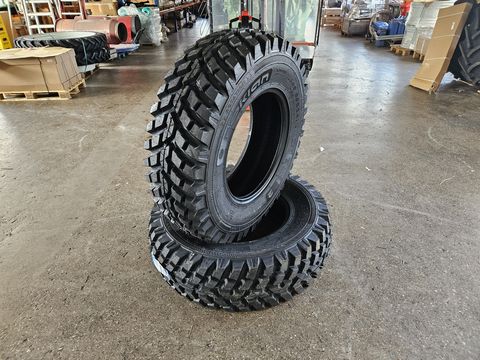
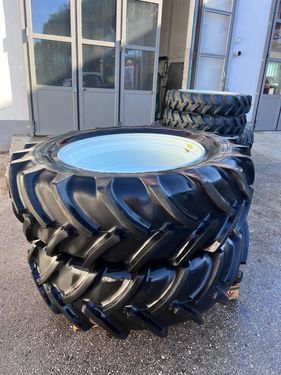
18 Zoll AS-Reifen

100 €Old Price 120 €

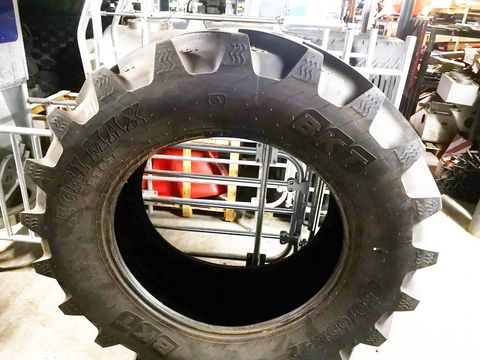
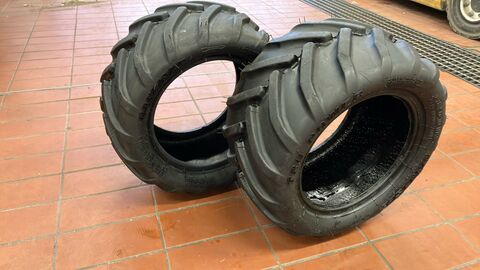
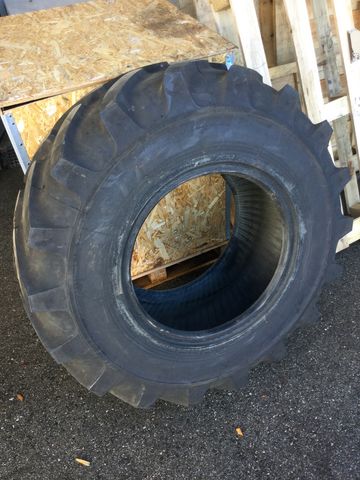
Verkaufe 2 Stk. 18 Zoll AS-Reifen mit 2x Schlauch, eventuell für Zwillingsbereifung. Optional: 2 Stk. Zwillingsfelgen, passend zu diesen Rädern, € 480, -. Preis verha

KD
Klemens Dallhammer

3263 Randegg, Austria

Classified ad

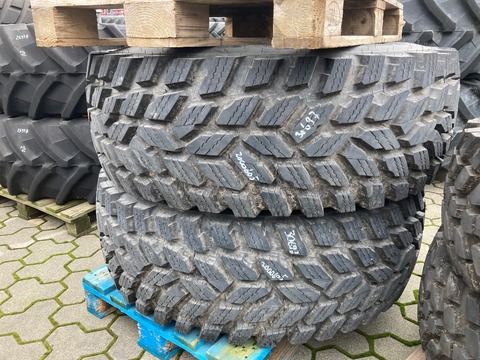
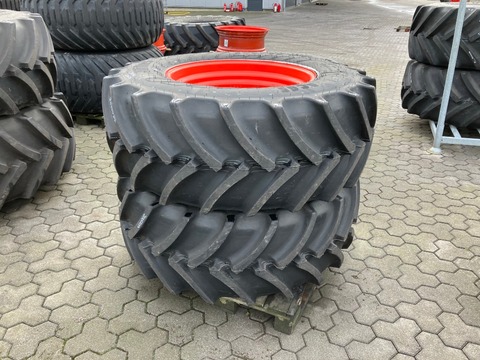
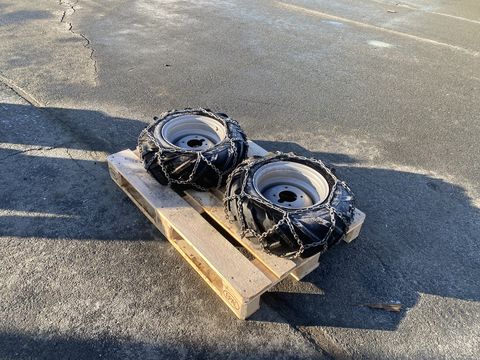
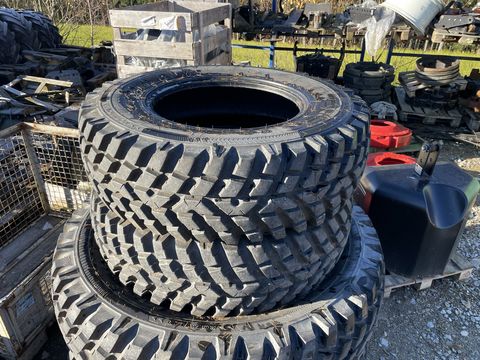
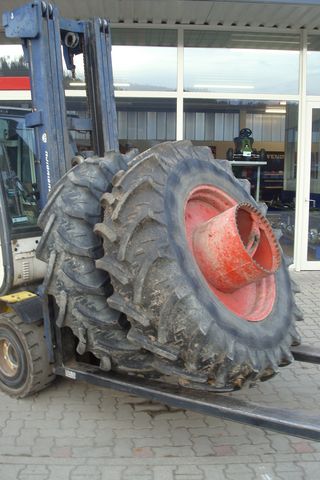
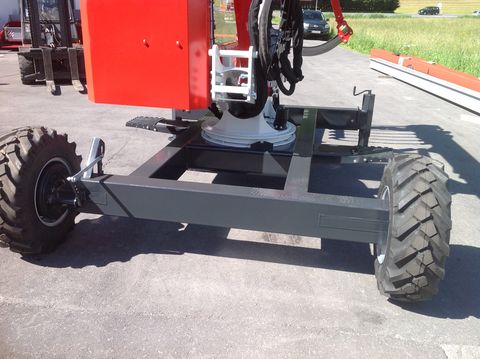
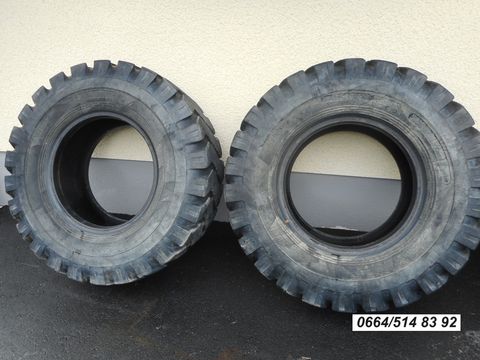
Kompletträder

200 €

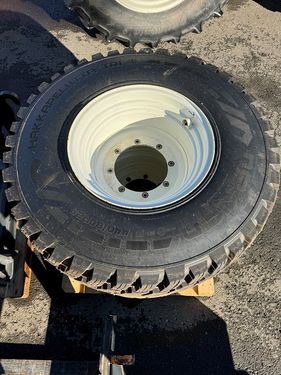
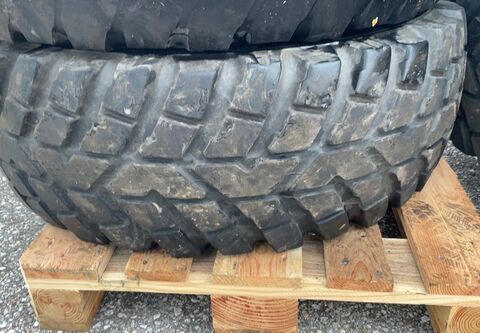
Verkaufe Kompletträder, Dimension laut Fotos. Die Räder waren auf einem Pöttinger Ladewagen montiert. Preis für alle € 2, -. Wheels and tires Wheels set

JG
Josef Glatzhofer

5531 Eben im Pongau , Austria

Classified ad

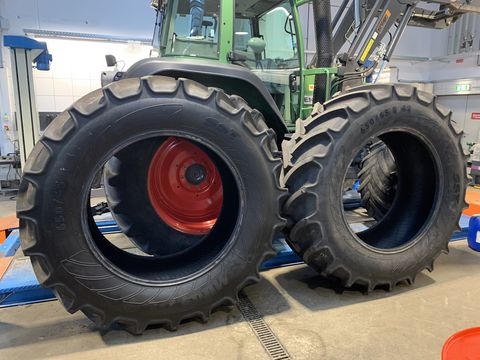
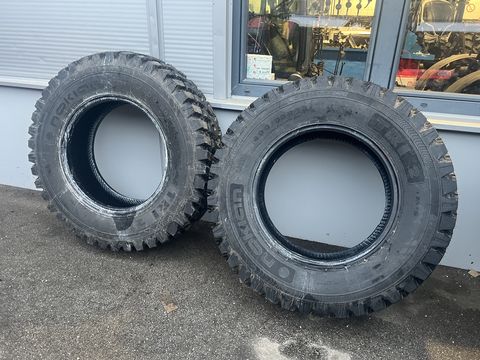
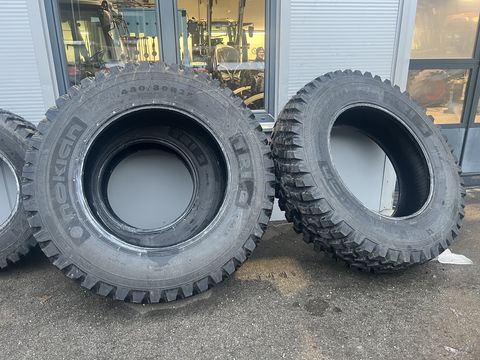
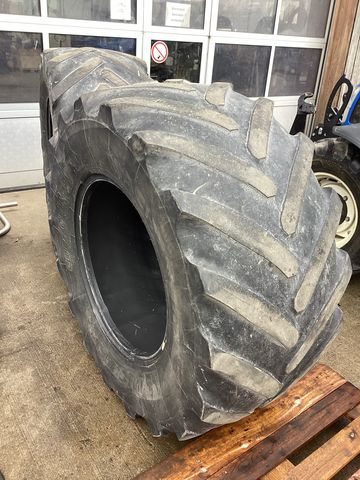
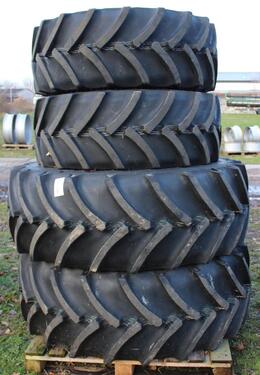
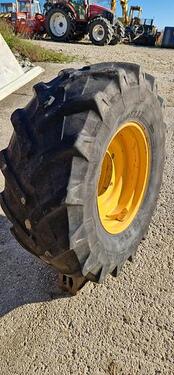
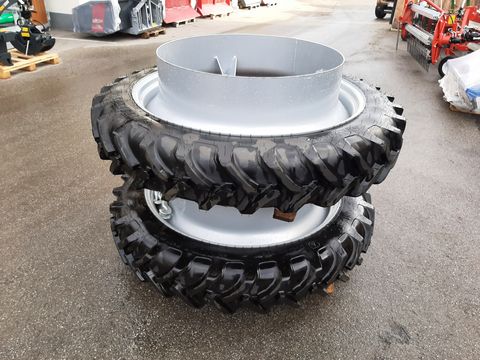
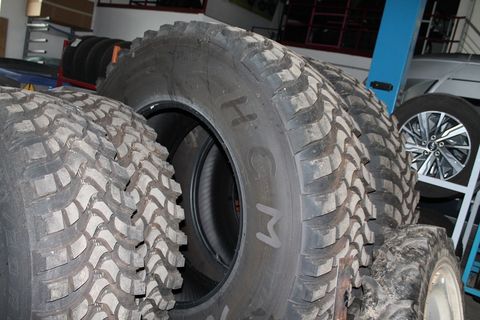
Kompletträder

2.200 €

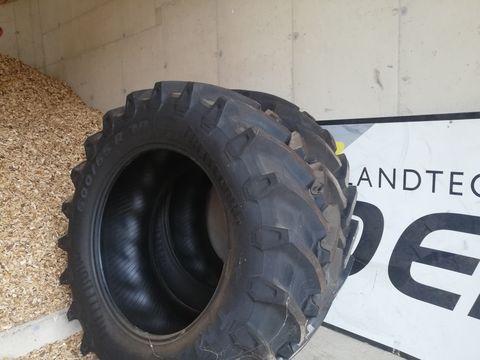
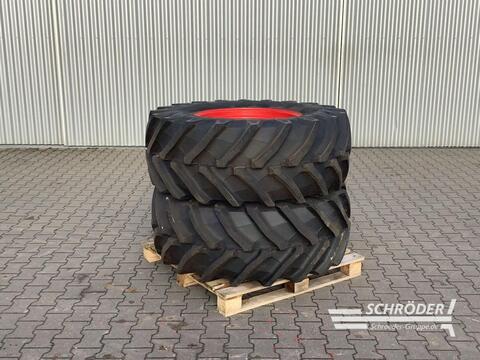
Verkaufe Kommunal-Kompletträder, Nokian 360/80R24 ca. 1, 5 cm Profil, 8 Loch, Alliance 440/80R34 ca. 1, 5 cm Profil, 8 Loch. Waren auf einem Fendt 300/400 montiert. Pr

GL
Gregor Leitner

4040 Linz, Austria

Classified ad

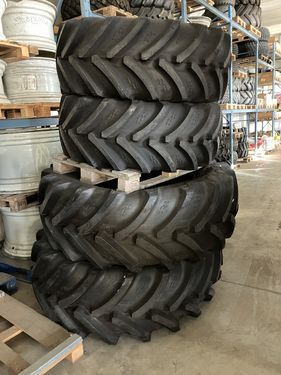
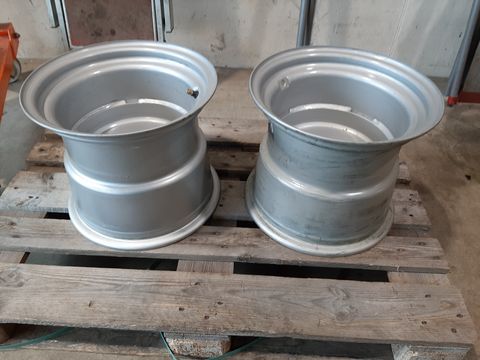
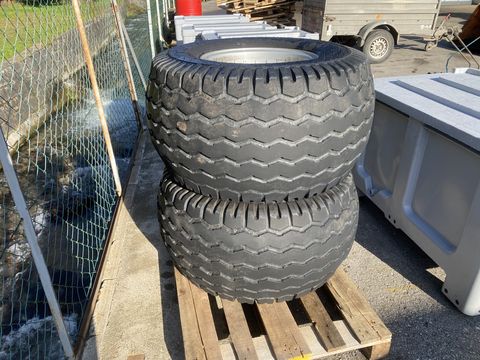
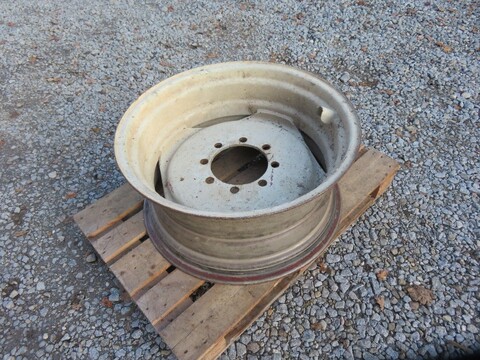
Felgen TW16-34

500 €Old Price 700 €

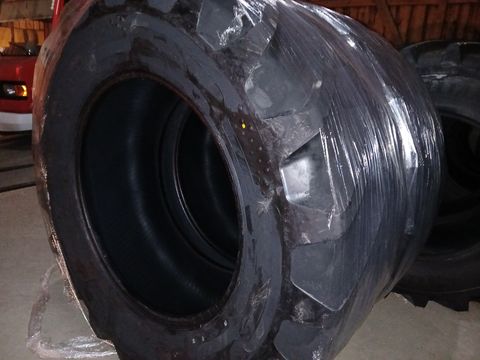
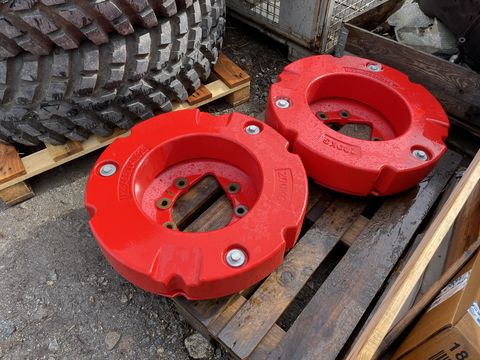
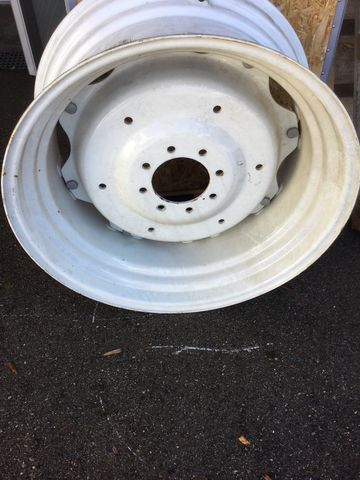
Verkaufe noch nie gebrauchte 2 Stk. TW16-34 Felgen, ohne Reifen, nur Felgen, Zentrierung Dm.: 225 mm, 8x 27 mm Bolzen, sind für 18.4-34 oder z.B. 460/85. Felgen sind

MD
Maximilian Dungl

3144 Bezirk St. Pölten, Austria

Hit 1681 - 1728 from 3911 (Page 36 from 82)
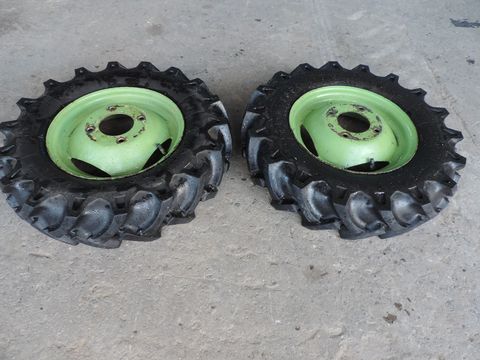
Buy tractor wheels and rims for agricultural machinery

Tractor wheels and rims are crucial for the performance and efficiency of your machines. In agriculture in particular, choosing the right tires and rims is an important factor in ensuring optimum ground contact and the best possible traction.


How do I find the right tires for my area of application?


Whether you are operating a small farm tractor or a powerful large machine - the right tires make all the difference. Depending on the application, you can choose wheels with particularly good traction on uneven ground or rims for heavy loads. Pay attention to the specific requirements of your machines and choose accordingly.

In modern agriculture, radial tires usually have the upper hand due to their better soil protection, higher traction and fuel efficiency. They are ideal for farms that pay attention to maintaining the soil structure and regularly switch between field and road operation. Diagonal tires, on the other hand, are still used in special applications, especially for heavy loads or on rough terrain, where their robustness and stability are required.

The choice between the two therefore depends heavily on the conditions on site and the specific requirements of the farm.


Used tractor wheels and rims - a cost-effective alternative


It doesn't always have to be new. Used tractor wheels and rims offer an affordable way to equip your machines without compromising on quality. Many dealers offer well-maintained and tested tractor wheels and tractor rims that still have many years of use ahead of them. When buying, pay attention to the tire tread, possible cracks or damage. Also check whether the rims are damaged and still promise a long service life. For safety reasons, tire repairs should only be carried out by qualified personnel with suitable tools.

Frequently asked questions about tires

 Correct storage of tires

  1. Store the tractor tires clean and protected from heat, light and ozone sources.
  2. If possible, do not store tubeless tires horizontally. Only small tires may be stacked or stored flat.
  3. If tires are stored horizontally, they must be stored lug to lug.
  4. If tires are stored mounted on rims, remember to lower the tire pressure.
  5. Never store tires directly on the ground for long periods of time.


Why is tire pressure so important?

  • Protecting the ground: Low tire pressure increases the tire's contact area. This distributes the weight of the heavy agricultural machinery over a larger area and thus reduces soil compaction. Compacted soil can hinder the root development of plants and reduce water permeability.
  • Traction optimization: The correct tire pressure improves the traction of the machines. This is particularly important in wet or loose soils to prevent wheel spin and save fuel.
  • Fuel efficiency: Optimally set tire pressure reduces rolling resistance. This leads to lower fuel consumption and therefore lower operating costs.
  • Adapting to soil conditions: Farmers can adjust the tire pressure depending on the soil conditions and the operation. Lower pressure is often used in the field, while higher pressure is used for road travel.
  • Machine efficiency: The correct tire pressure contributes to overall machine efficiency by reducing vibrations and improving controllability.
  • Increasing yields: By reducing soil compaction and optimizing machine performance, the correct tire pressure can indirectly contribute to higher yields.