
Donkeys - Buy and Sell on Landwirt.com


Classified ad
800 €VAT not applicable

 8573 Kainach
2 days online
Classified ad
1.300 €VAT not applicable

5550 Radstadt
2 days online
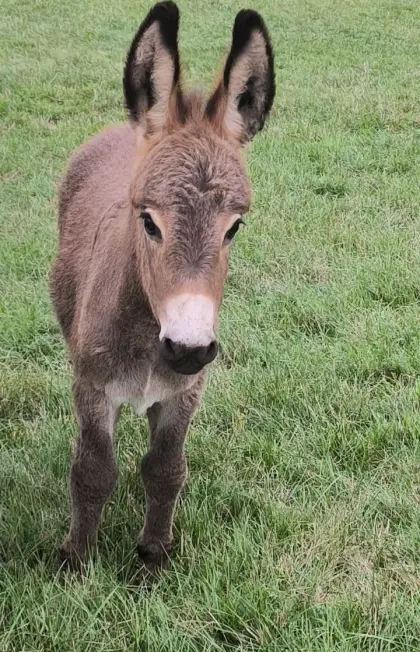
Classified ad
Price on request

8563 Steinberg bei Ligist
3 days online
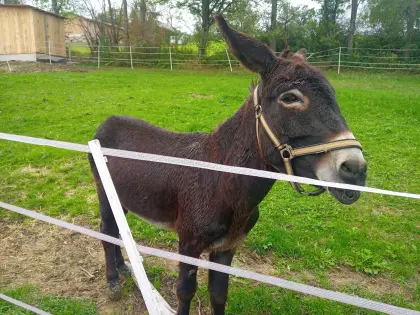
Classified ad
250 €VAT not applicable

3251 Purgstall
3 days online
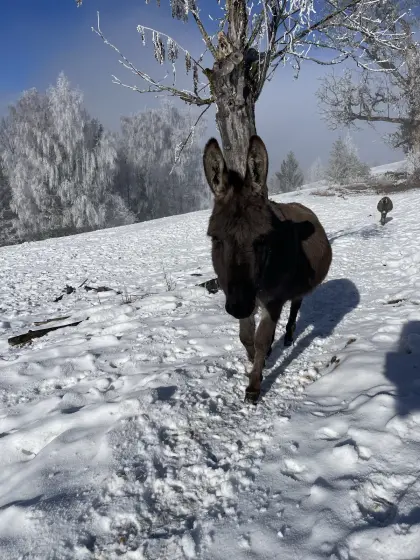

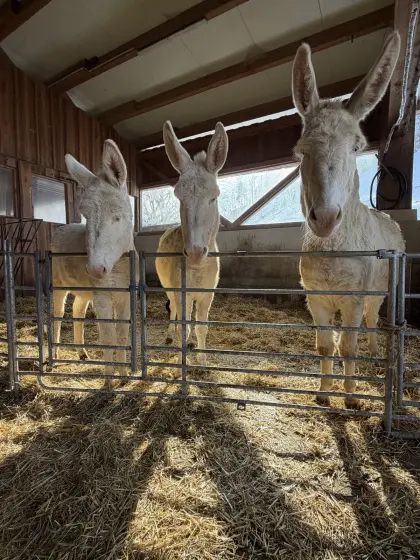
Classified ad
1 €VAT not applicable

3341 Ybbsitz
12 days online
Classified ad
1 €VAT not applicable
3341 Ybbsitz
12 days online

Classified ad
1.000 €VAT not applicable

9841 Penzelberg
13 days online
Classified ad
900 €VAT not applicableOld Price 999,99 €

5660 Taxenbach
16 days online

Classified ad
250 €VAT not applicable

9554 Sankt Urban
24 days online
Classified ad
10 €VAT not applicable

3074 Michelbach
24 days online

Classified ad
1.200 €VAT not applicable

8212 Pischelsdorf
29 days online
Classified ad
3.000 €VAT not applicable
8212 Pischelsdorf
29 days online


 39010 Vöran
Classified ad
2.000 €VAT not applicable

8130 Frohnleiten
1 month online
Classified ad
1.200 €VAT not applicable

9173 St. Margareten
1 month online
Classified ad
2.300 €VAT not applicableOld Price 2.500 €

6741 Raggal
1 month online
Classified ad
1.000 €VAT not applicableOld Price 1.200 €

9400 Wolfsberg
2 months online
Classified ad
Price on request

8542 St.Peter i./S
2 months online

Classified ad
3.300 €VAT not applicable

3150 Bezirk St. Pölten
2 months online
Classified ad
250 €Old Price 500 €

 38241 Kaplice
2 months online

Classified ad
750 €VAT not applicableOld Price 1.000 €

4710 st Georgen bei grieskirchen
2 months online
Classified ad
500 €VAT not applicableOld Price 700 €

4273 Unterweißenbach
2 months online

Classified ad
1.200 €VAT not applicableOld Price 1.500 €

9702 Ferndorf
2 months online
Classified ad
900 €VAT not applicableOld Price 1.200 €
9702 Ferndorf
2 months online
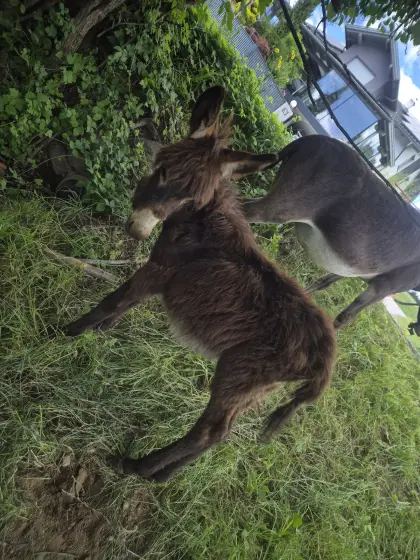
Classified ad
900 €VAT not applicableOld Price 1.200 €
9702 Ferndorf
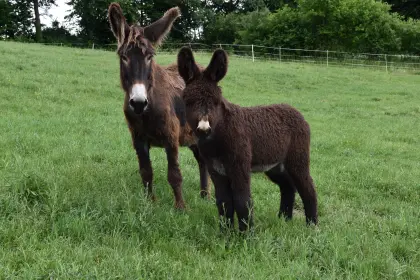
Classified ad
3.000 €VAT not applicable
8212 Pischelsdorf
3 months online
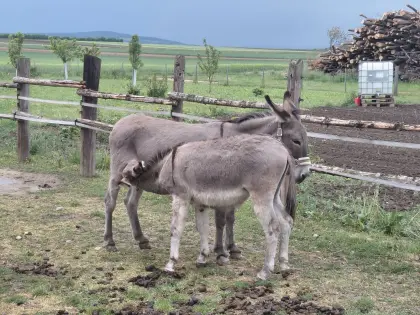
Classified ad
1.000 €VAT not applicableOld Price 1.200 €
2153 Stronsdorf
3 months online
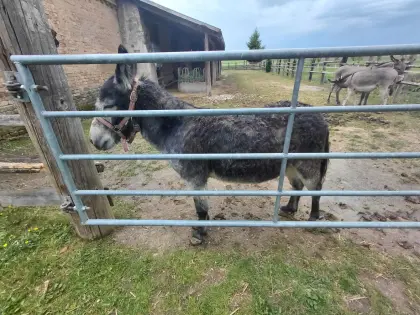
Classified ad
1.700 €VAT not applicableOld Price 1.900 €
2153 Stronsdorf
3 months online
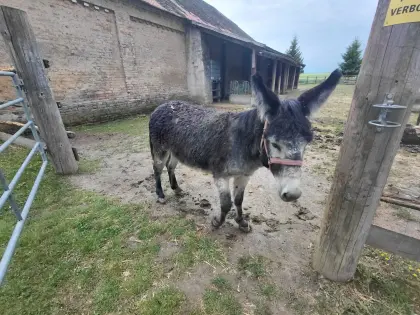
Classified ad
800 €VAT not applicableOld Price 600 €
2153 Stronsdorf
3 months online
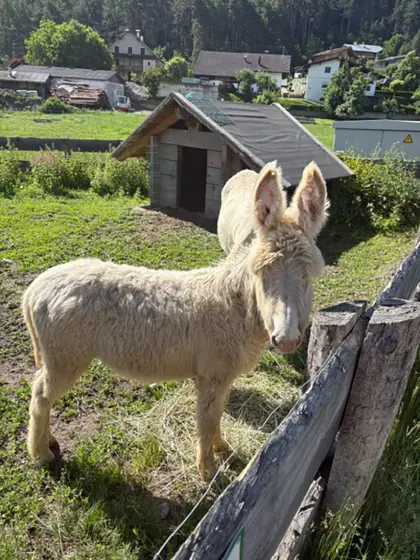
Classified ad
1.000 €VAT not applicable

6414 Mieming


Classified ad
123 €VAT not applicable

3300 Winklarn
3 months online
Classified ad

8272 Hartl
Online for 1 more day
Donkeys – Versatile and Charming Farm Animals
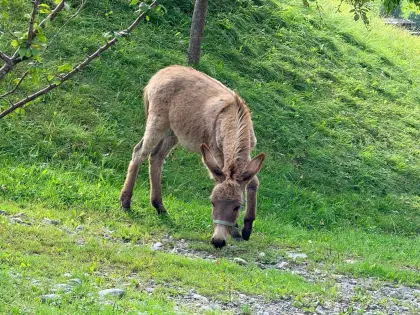
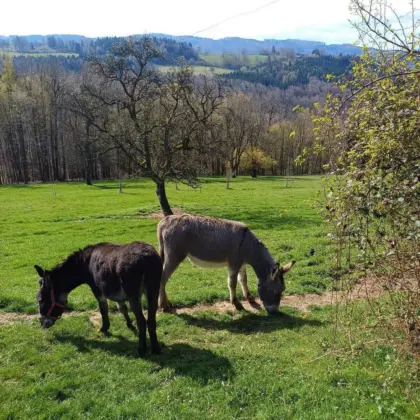
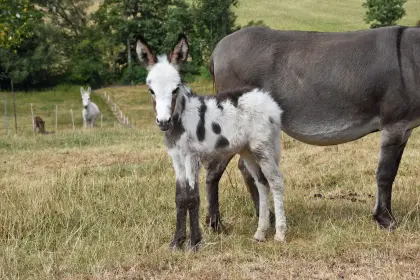
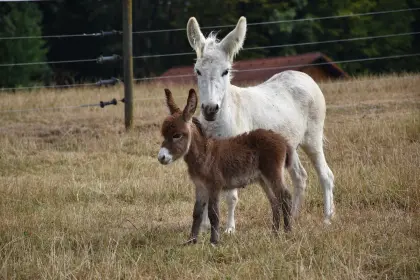
Donkeys are intelligent, hardy and endearing animals that have served humans for thousands of years. On Landwirt.com you can find donkeys for sale from breeders, private owners and farming families across Europe. Whether you are looking for a companion animal, a pack donkey for hiking, a grazing partner for horses or a guardian animal for your flock, our marketplace connects you with sellers who raise healthy, well-handled donkeys.
Our donkey listings include standard-sized donkeys, miniature donkeys, large breeds such as Poitou and Catalan donkeys, and crossbreeds. Donkeys are increasingly popular as companion animals for horses, as their calm presence has a soothing effect on equine companions. They are also valued as livestock guardians, particularly for sheep and goats, where their natural alertness and protective instincts help deter foxes and stray dogs. For families and hobby farmers, miniature donkeys make delightful and low-maintenance pets.
Each listing on Landwirt.com includes details about the donkey’s breed, age, sex, height, temperament and price. Donkeys are social animals that should always be kept with at least one companion, so plan to acquire two or keep them with other equines. Browse our listings to find the right donkey for your farm, family or herd protection needs.