Used machine
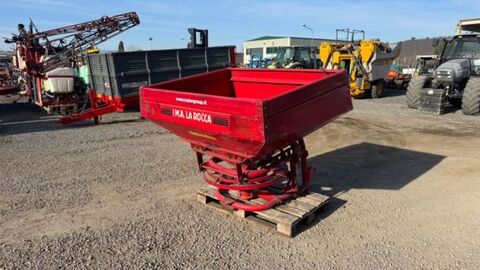
Sonstige SR 1000 ROLEX
Price on request
- YOM 2003
Fertilization and irrigation equipment Mineral fertilizer spreaders
Fertilization and irrigation equipment / Sonstige
Premium Gold dealer
Results
There are currently no listings matching your search.
Would you like to be automatically informed about new offers for this search?
Price on request
Fertilization and irrigation equipment Mineral fertilizer spreaders
Premium Gold dealer
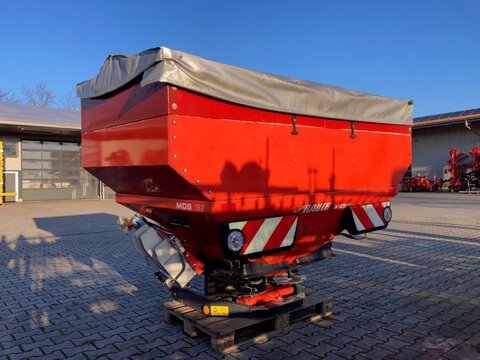
4.165 €incl. VAT 19%
Fertilization and irrigation equipment Mineral fertilizer spreaders
MILDE GmbH
92274 Gebenbach

Premium Plus dealer
Price on request
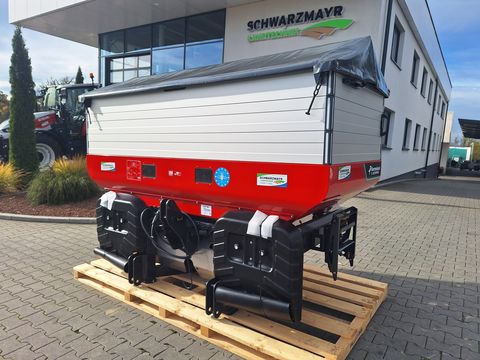
Nr. 71702 - SymbolfotosZweischeibenstreuer- mit 1.300 Liter Behälter- mit CentreFlow-Streusystem- mit vollautomatischem Wiegesystem mit 4 Wiegezellen und R
Premium Gold dealer
Price on request
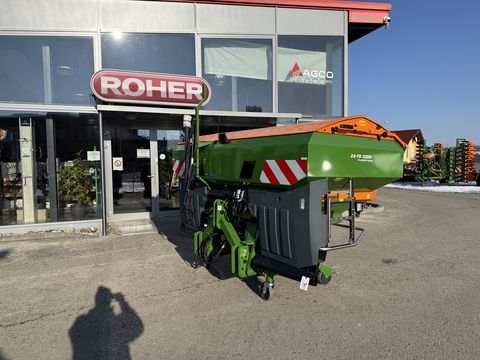
* ZA-TS Hydro* Behälteraufsatz 3200L* Abdeckrollplane L* Leermeldesensoren* Neigungssensor* Leiter links und rechts* Streuschaufelsatz TS30* Wind Contr
Premium Gold dealer
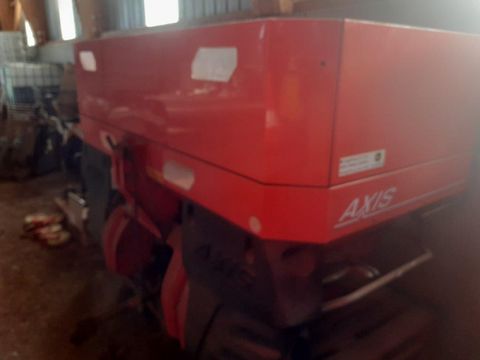
5.900 €VAT not applicable
Rauch Düngerstreuer Axis 30.1, BJ: 2015, Grenzstreueinrichtung, PRIVATVERKAUF Fertilization and irrigation equipment Mineral fertilizer spreaders
Steyr Center NÖ Mitte Landmaschinentechnik GmbH
3107 St. Pölten

Premium Plus dealer
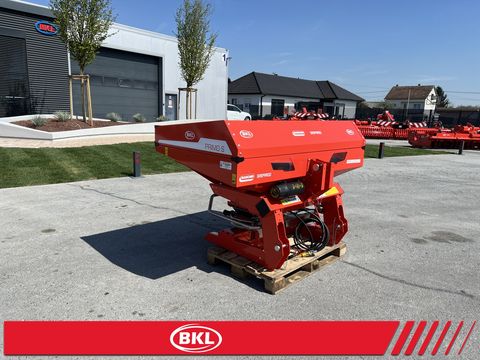
6.687,50 €incl. VAT 25%
• universelle 3-Punkt-Aufhängung, Kat. II• hydraulisches Öffnen/Schließen der linken und rechten Seite• mechanische Mengeneinstellung• manuelle Einstellung des
BKL doo Gornje Rovisce Kroatien
43000 Bjelovar

Premium Plus dealer
Hit 1009 - 1008 from 1008 (Page 22 from 21)
Slurry tankers are essential for any farm that wants to spread liquid manure as a natural fertilizer on fields and meadows. These tanks are specially designed for the safe and efficient transportation and spreading of large quantities of liquid manure.
The efficient use of liquid manure is not only a question of economic efficiency, but also of environmental protection. Proper spreading reduces ammonia emissions and reduces unpleasant odors. Modern dribble barrels or trailing shoe distributors enable liquid manure to be spread close to the ground, allowing the nutrients to penetrate the soil better and minimizing the risk of leaching into bodies of water.
Choosing the right size of liquid manure tanker depends heavily on the size of the farm and the prevailing soil conditions. Smaller tanks with a capacity of 2,000 to 6,000 liters are ideal for part-time farms or smaller fields, while larger farms usually opt for tanks with a capacity of up to 30,000 liters. Modern used slurry tankers are often equipped with pumps, cutting tools and even GPS technology to enable precise spreading.
Slurry tankers are available in different designs, adapted to the needs of different farms:
In many countries, there are strict legal requirements for the storage and spreading of liquid manure (e.g. when, how, what quantity). In some regions, there are also subsidy programs that support the purchase of modern slurry tanks and environmentally friendly spreading technology. When planning an investment in a slurry tanker, it is therefore worth finding out about the current funding opportunities.
Used slurry tankers are particularly attractive as they are a cost-effective alternative to new tankers. This is a sensible solution, especially for smaller farms or farmers who are just getting into slurry technology. However, there are a few factors to consider when choosing a used slurry tanker: The condition of the tank, the functionality of the pump and the stability of the chassis are crucial for long-term use. Tip: Ask your trusted dealer for a free test drive so that you can put the tanker through its paces before you buy.
Compact slurry tankers with a capacity of 2,000 to 6,000 liters are ideal for smaller farms. Models with a simple pump and manually operated valves are often sufficient here.
The capacity should be tailored to the size of the farm and the working conditions. For small and medium-sized farms, barrels with a capacity of 2,000 to 10,000 liters are often sufficient. For larger areas or in regions with longer transport routes, tanks with a capacity of 20,000 to 30,000 liters can be useful.
A slurry tanker should be serviced regularly to ensure reliable operation. Annual maintenance is recommended, during which the seals, pump and valves are checked and replaced if necessary. The condition of the tank and frame should also be inspected in order to detect damage caused by corrosion or wear at an early stage.
When buying a used slurry tanker, make sure that the tank has no cracks or rust spots on the tank. The seals should be intact and the pump should be in good working order. A functioning steering axle and a well-preserved frame are also important indicators of the tanker's reliability. Another important aspect is operability: easy-to-operate and low-maintenance models are recommended, especially for businesses with few workers.