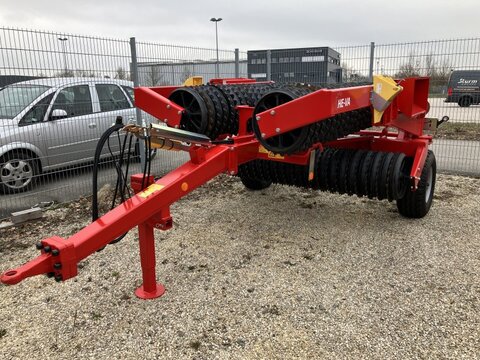
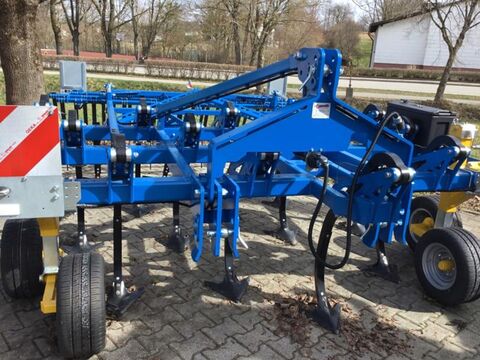
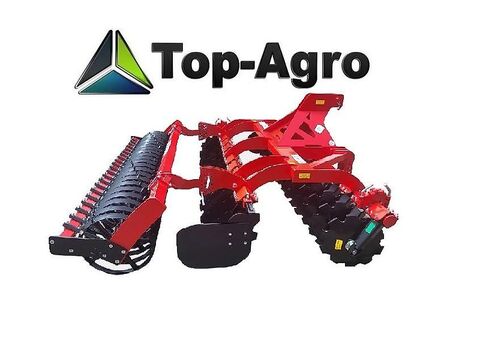
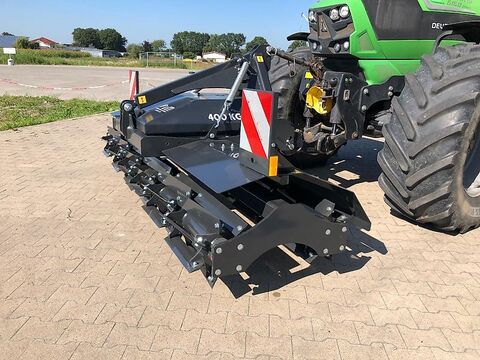
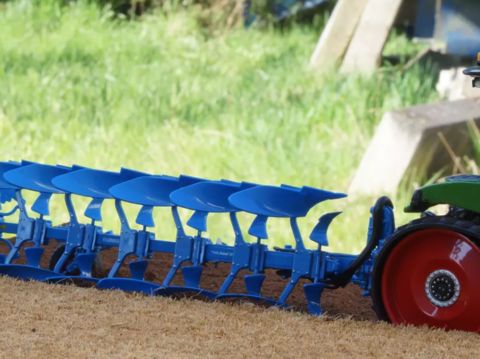
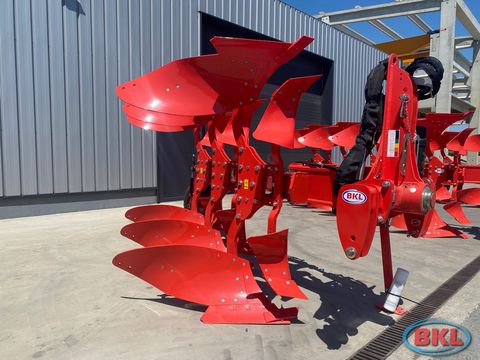
1. Plow
The plow is one of the oldest tillage tools and is used to turn and loosen the soil. It is often used to plow under crop residues and control weeds.
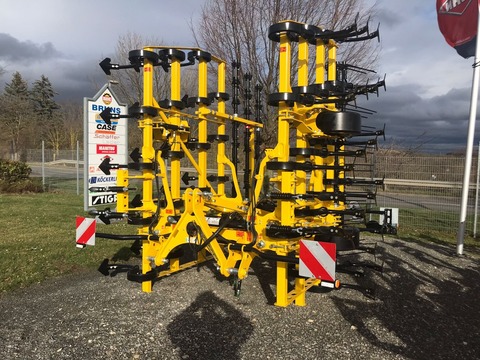
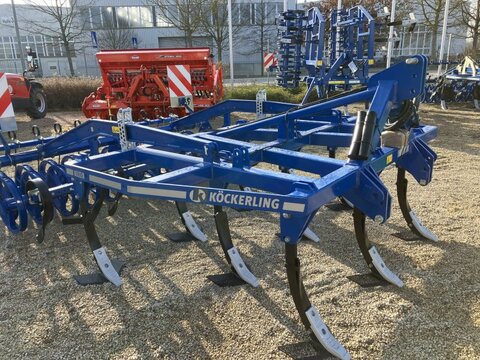
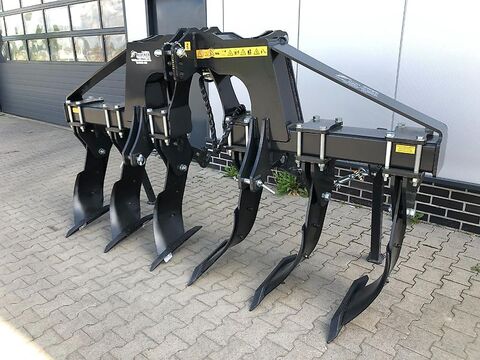
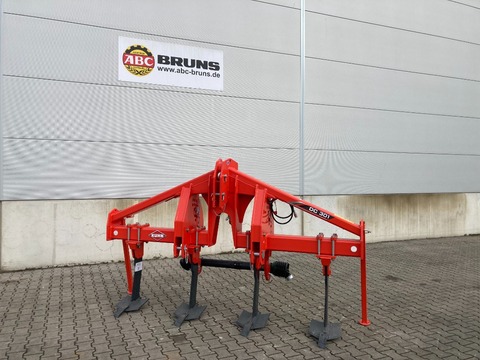
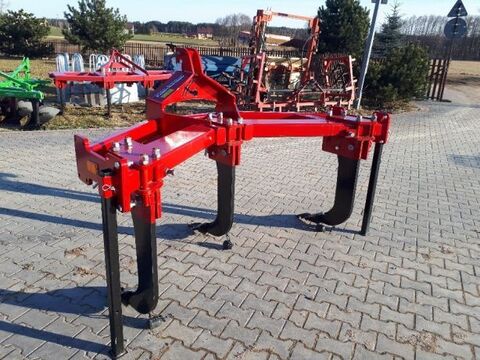
2. Cultivator
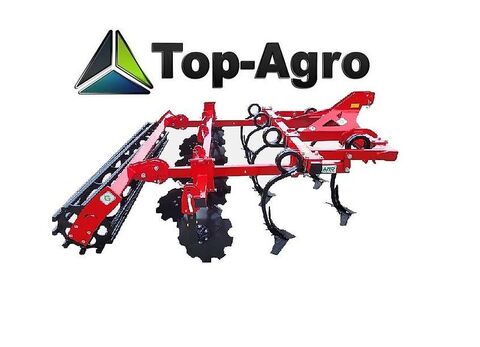
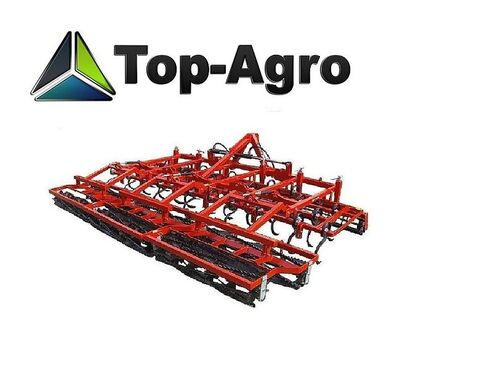
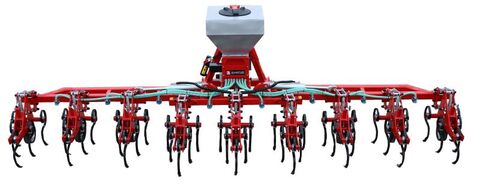
A cultivator is used to loosen the soil without turning it. It is used in shallow and deep tillage and is ideal for preparing the soil for sowing.
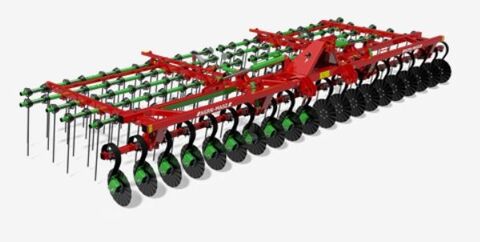
3. Harrow
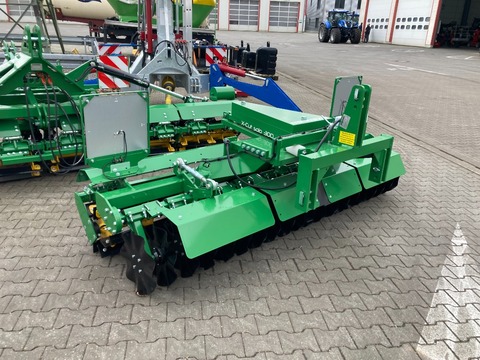
The harrow is used to level the soil surface and break up clods. There are different types of harrows, such as the spring tine harrow or the disc harrow, which are suitable for different soil types and applications.
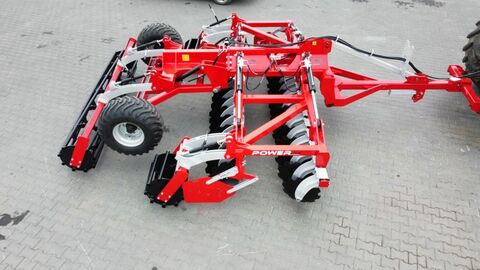
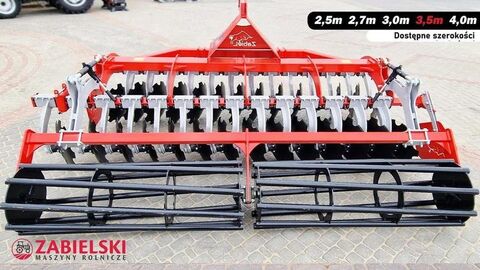
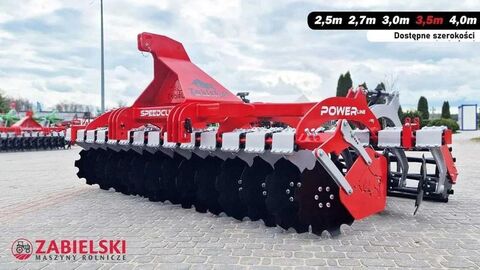
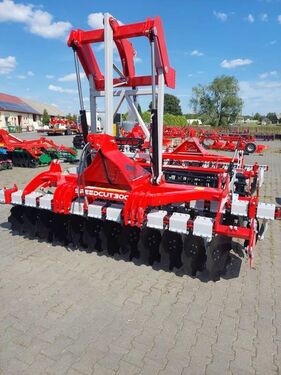
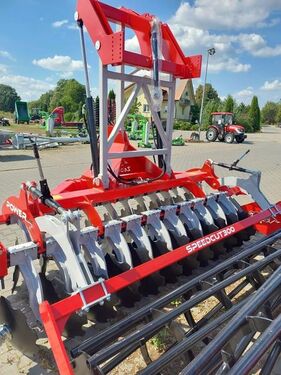
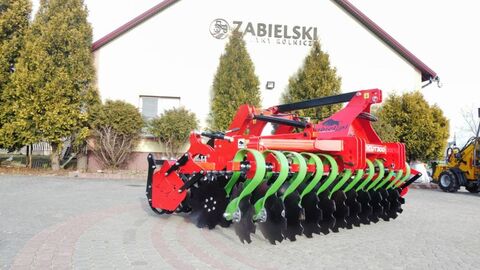
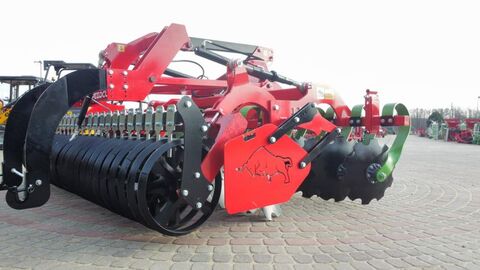
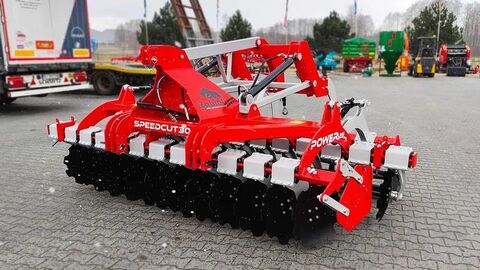
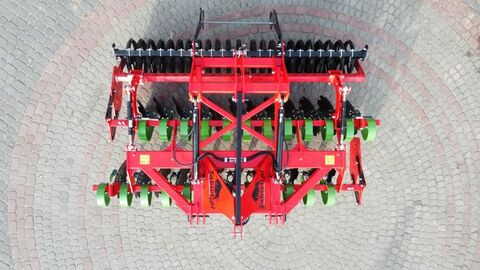
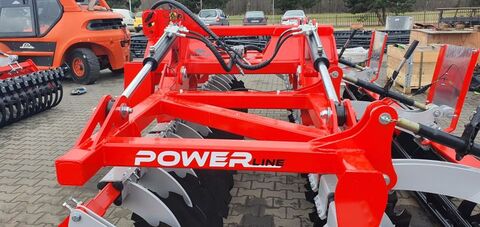
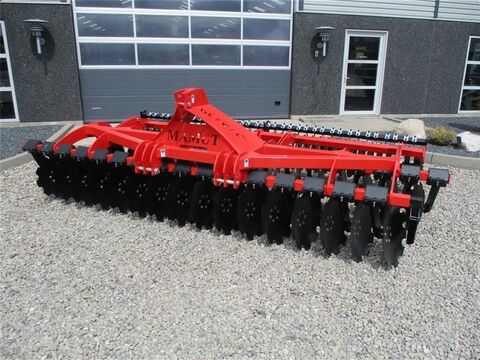
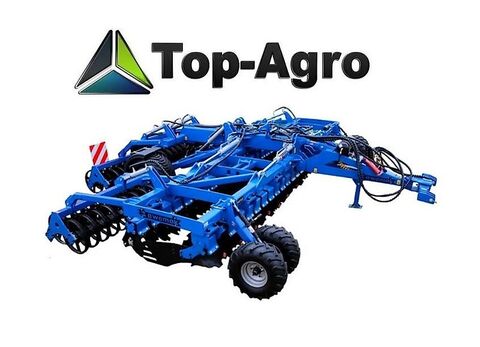
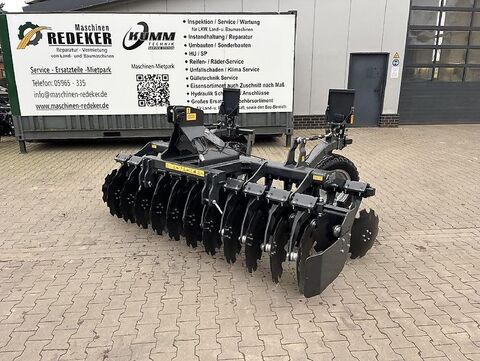
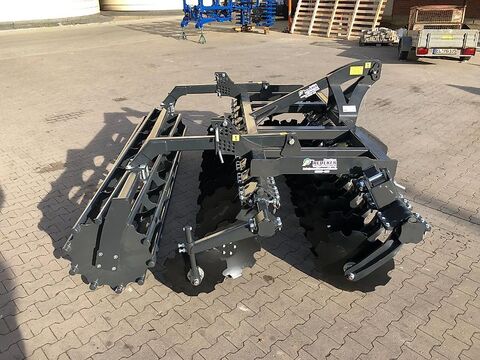
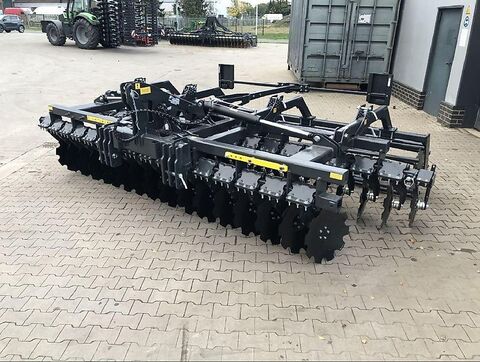
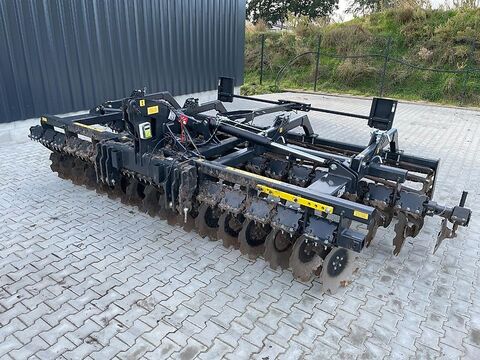
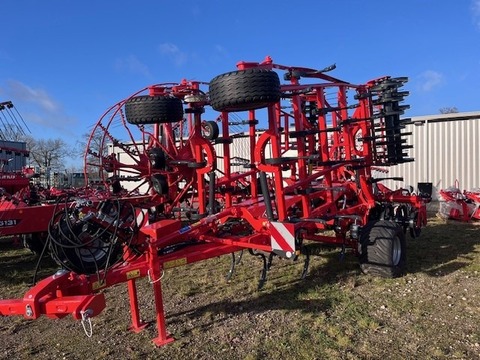
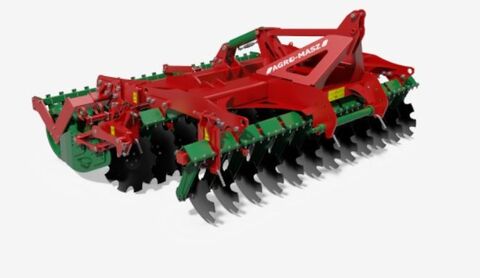
4. Disc harrow
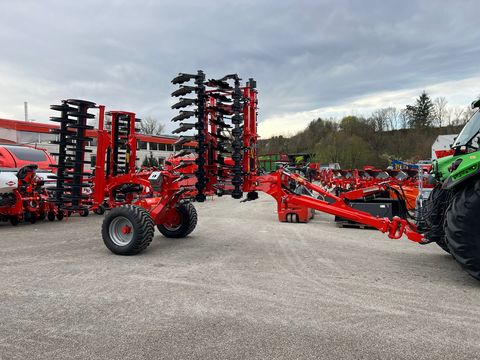
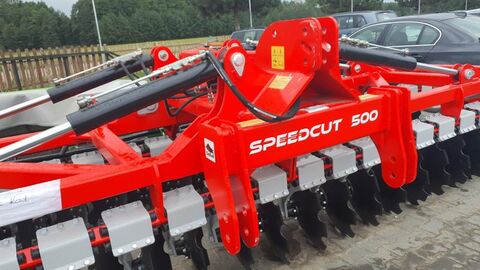
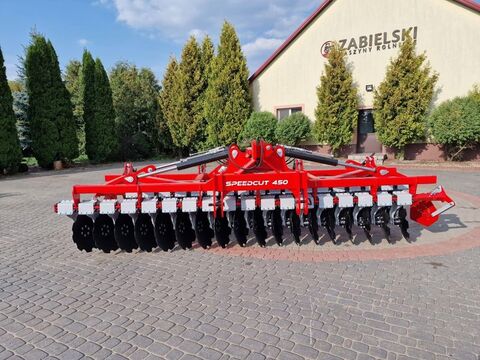
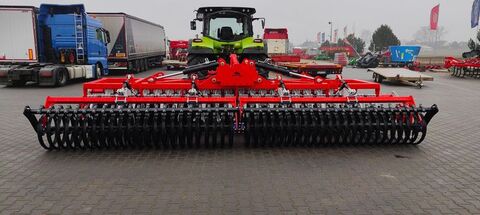
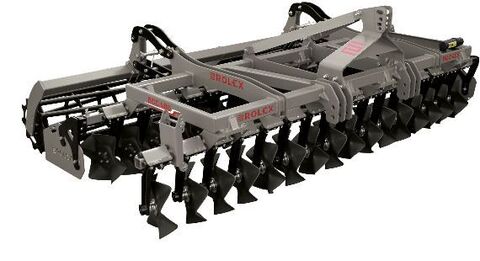
This tool loosens the soil and mixes crop residues. It is particularly useful for heavier soils and can be used at different working depths.
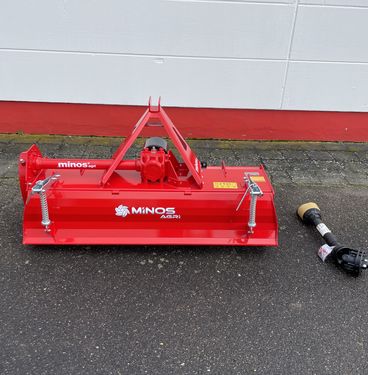
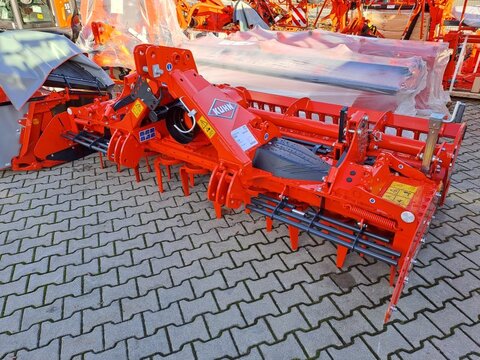
5. Rotary harrow
The rotary harrow is a rotating tillage implement that finely crumbles and levels the soil at the same time. It is often used for seedbed preparation.
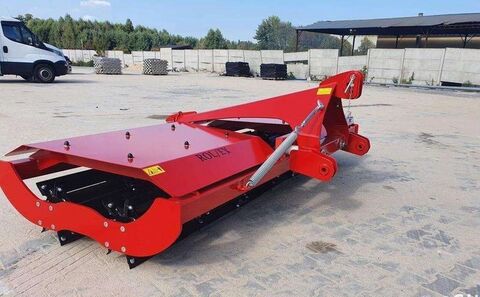
6. Mulcher
The mulcher shreds plant residues or grassland and distributes the shredded material evenly over the soil, which contributes to humus formation.
7. Rotary harrows
These implements rotate horizontally and are particularly suitable for fine soil cultivation. They ensure even mixing and fine crumbling of the soil.
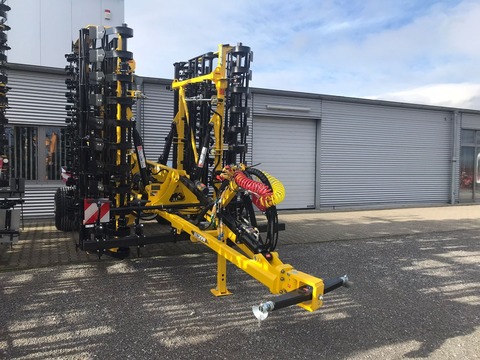
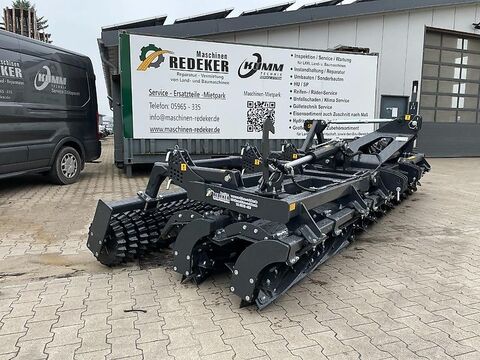
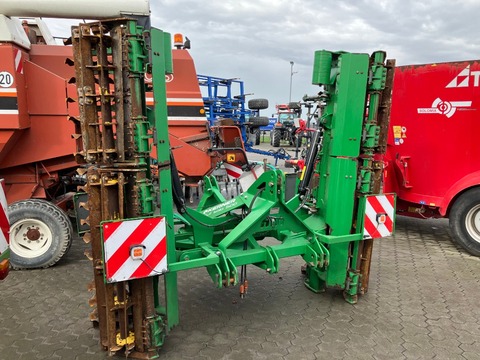
8. Tiller
Tillers are used to loosen and mix the soil. They work intensively and are suitable for heavier soil work, e.g. before planting gardens or certain crops.
Market leader in tillage
1. Lemken
- Specialization: Lemken is known for ploughs, cultivators, harrows and other tillage equipment. The company also offers modern technology for conservation tillage.
- Special features: Lemken relies on advanced technologies such as ISOBUS control systems to maximize efficiency and precision.
2. Amazone
- Specialization: Amazone offers a wide range of machines for tillage, including cultivators, disc harrows and power harrows.
- Special features: Amazone is known for innovative developments that increase soil protection and efficiency, for example through combinations of sowing and tillage technologies.
3. Horsch
- Specialization: Horsch offers machines for shallow and deep tillage, such as cultivators and disc harrows, which are characterized by their robust design.
- Special features: Horsch is a leader particularly in the field of minimum tillage and conservation cultivation systems.
4. Kuhn
- Specialization: Kuhn manufactures a wide range of machines, including ploughs, cultivators, power harrows and disc harrows.
- Special features: The company focuses on durable, innovative machines and also offers solutions for environmentally friendly soil cultivation.
5. Väderstad
- Specialization: Väderstad is known for high-performance disc harrows, cultivators and seed drills. They focus on fast, precise soil cultivation.
- Special features: Väderstad develops innovative machines that optimize working depth and speed for different soil types.
6. Kverneland
- Specialization: Kverneland offers ploughs, cultivators, power harrows and other tillage equipment.
- Special features: Kverneland machines are known for their adaptability and durability. The manufacturer focuses on sustainable solutions for agriculture.
7. Pöttinger
- Specialization: Pöttinger manufactures a wide range of tillage equipment such as cultivators, disc harrows and ploughs.
- Peculiarities: Pöttinger focuses on sustainable and soil-conserving technologies and offers machines for precise seedbed preparation.
The 3 most important soil types
1. Sandy soil
- Properties: Sandy soil has a coarse grain size, is very permeable to water and air, but retains little moisture and nutrients.
- Advantages: It warms up quickly and is easy to work with.
- Disadvantages: Regular irrigation and fertilization are necessary due to its low water storage capacity and lack of nutrients.
- Suitable for: Crops that do not tolerate waterlogging, such as root vegetables (e.g. carrots) or asparagus.
2. Loamy soil
- Properties: Loamy soil has a balanced mixture of sand, silt and clay, which means it retains water and nutrients well, but is also aerated.
- Advantages: Fertile and versatile, ideal for many plants.
- Disadvantages: Can be heavy and sticky when wet, making tillage difficult.
- Suitable for: Many types of plants, including cereals, vegetables and fruit trees.
3. Clay soil
- Properties: Clay soil consists of very fine particles that adhere closely to each other. It stores a lot of water and nutrients, but is poorly aerated and compacts easily.
- Advantages: High nutrient content and good water retention.
- Disadvantages: Poorly permeable, tends to become waterlogged and is difficult to work with.
- Suitable for: Plants that require an even supply of moisture, such as rice or certain cereals.