Used Feeding equipment for sale

  Results
Used machine
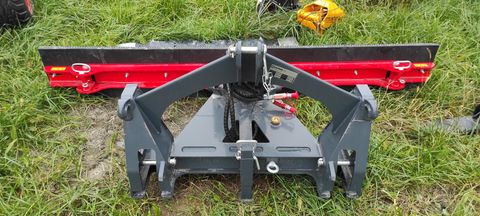
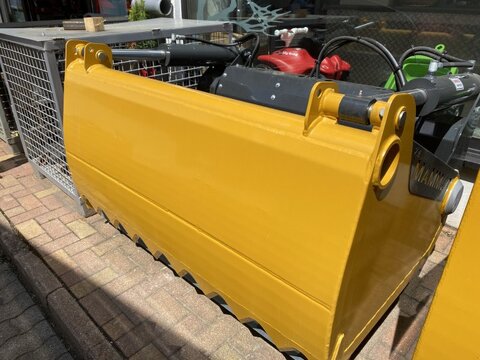
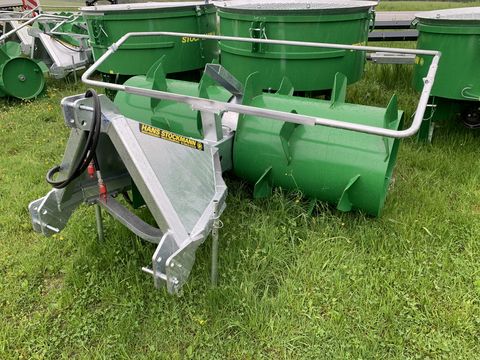
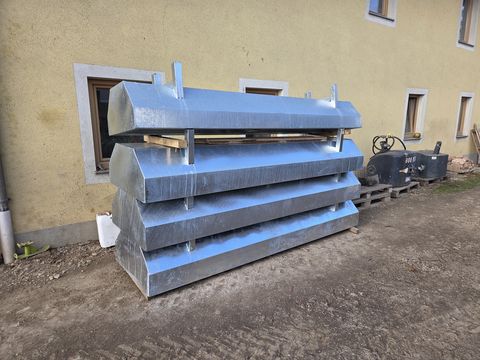
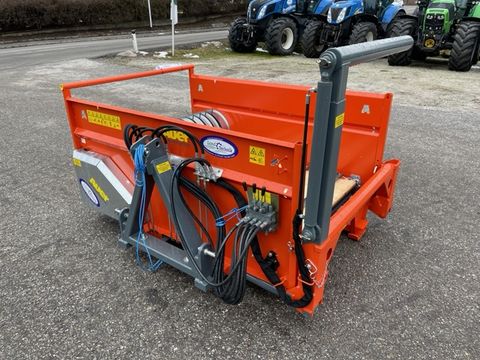
Sonstige D 2200 W

7.795 €incl. VAT 19% 

  • YOM 2018

Leergewicht: 1140 kg, Gesamtgewicht: 1140 kg, Erstzulassung: 01.01.2018________gebraucht, Dreipunkt, 2, 2 m³, sehr stabile Ausführung, die wichtigsten Rahmenteil

Gruber Thomas KG Landtechnik

84539 Ampfing, Germany

Feeding equipment / Sonstige

  31-10-2024 04:02

New machine
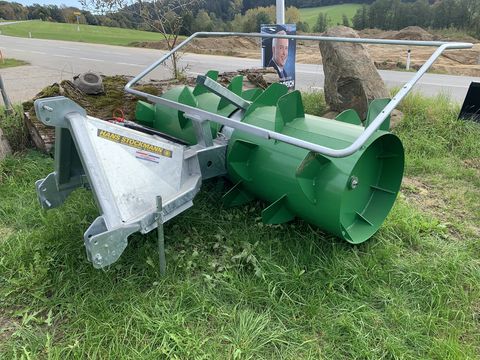
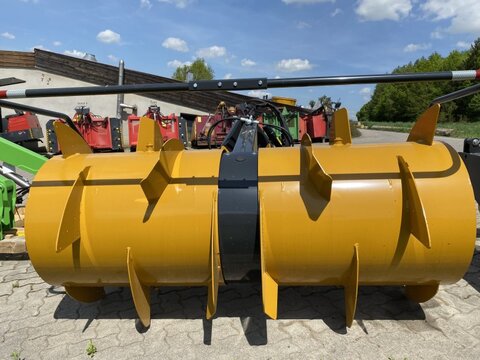
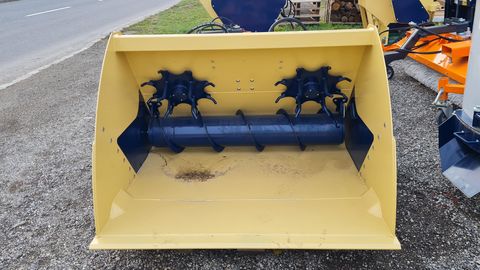
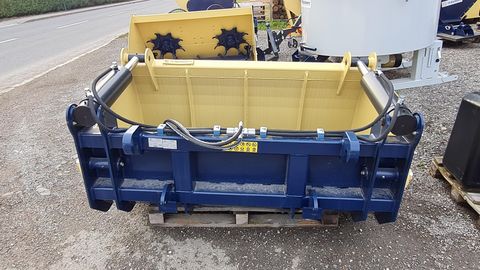
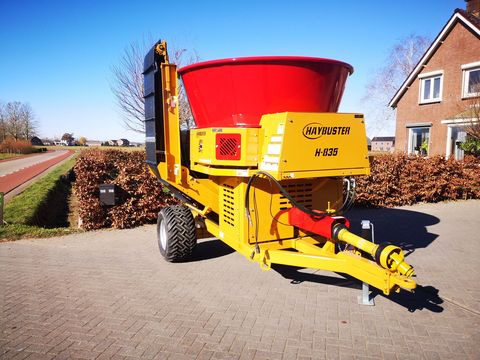
Kuhn Futtermischschnecke

1.535,10 €incl. VAT 19% 

  • YOM 2024

Schneckenwindungen für alle Futtermischwagenwie auch KUHN FuttermischwagenWir überarbeiten die Vertikalschnecke, haben für den Double-Mischwagen fertige Blec

Webers GmbH

48612 Horstmar, Germany

Webers GmbH
Feeding equipment / Kuhn

Premium Plus dealer
Used machine
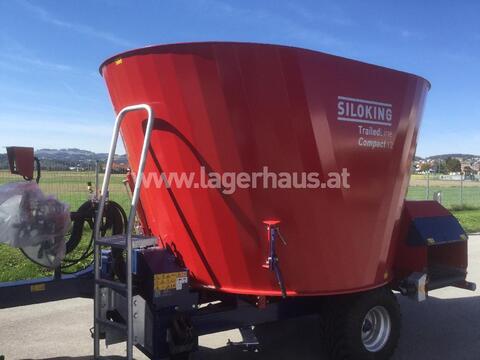
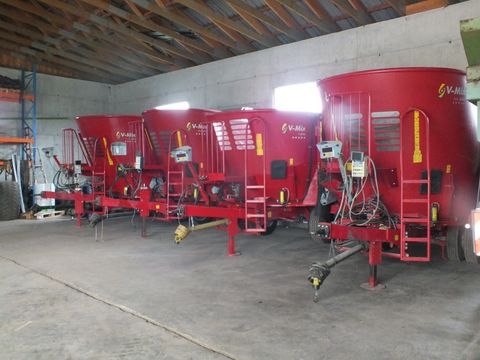
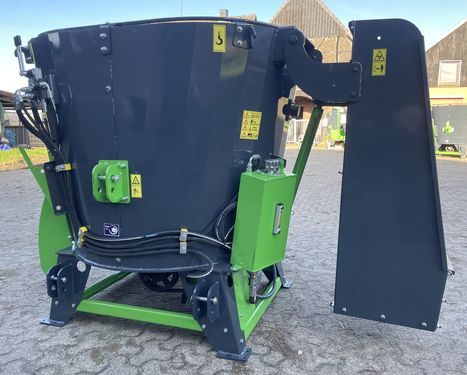
Storti TERRIER SW 180

41.650 €incl. VAT 19% 

  • 170 HP/125 kW
  • YOM 2018
  • 6300 h

Typ: TERRIER SW 180, Wiegeeinrichtung, Beidseitiger Futteraustrag, Volumen (ltr.): 18.000 Feeding equipment Feed mixing wagons

B+S Landtechnik GmbH

19300 Grabow, Germany

Feeding equipment / Storti

  27-07-2024 05:52

demonstration model
Kuhn Euromix 1

53.847,50 €incl. VAT 19% 

  • YOM 2021

-Mischschnecken aus K-NOX Edelstahl für bis zu 6x längere Lebensdauer-7 Karbidbeschichtete Messer-2-Kreis Druckluftbremsanlage-Schieber hinten links-Schieber hin

GREVING Landtechnik GmbH

48268 Greven, Germany

Feeding equipment / Kuhn

  25-06-2024 05:51

New machine
Sonstige WF 6000

10.680,25 €incl. VAT 19% 

  • YOM 2024
  • 6000 l

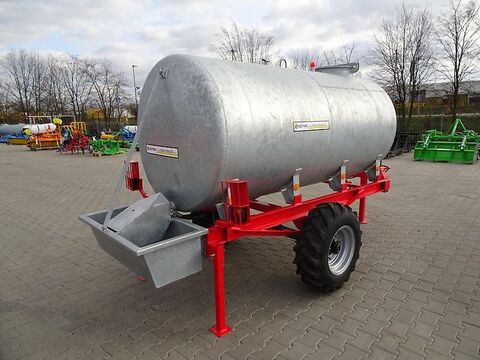
Wasserfaß 6000 ltr. auf Fahrgestell incl. ABE und Statrßenzulassung 25 km/hmit Auflaufbremse und Rückfahrautomatik , BeleuchtungStützfußTrogtränke mit Schwimmm

Bollhorst Uwe Landtechnik

57319 Bad Berleburg, Germany

Feeding equipment / Sonstige

Premium Plus dealer
Used machine
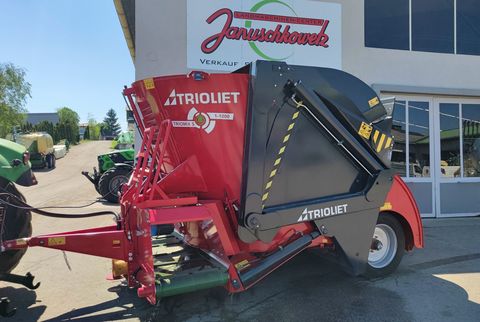
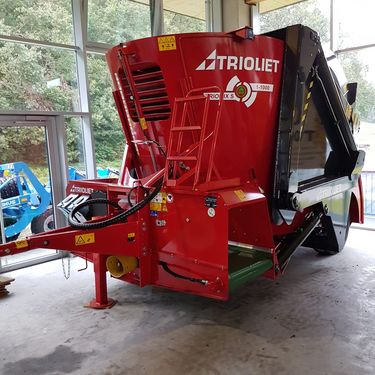
Trioliet TRIOMIX 1-1200

35.695 €incl. VAT 21 % 

  • YOM 2019

Nette Trioliet Triomix 1-1200Bouwjaar 2019recent nieuwe messengoede vijzel met magneetcamera aanweziglinks en rechts lossend voorzijdeMachine nummer 71931 F
Bruggeman Mechanisatie BV

8107 A Broekland, Netherlands

Feeding equipment / Trioliet

  06-06-2024 07:14

Hit 481 - 528 from 596 (Page 11 from 13)

Feeding technology: Efficient solutions for animal feeding

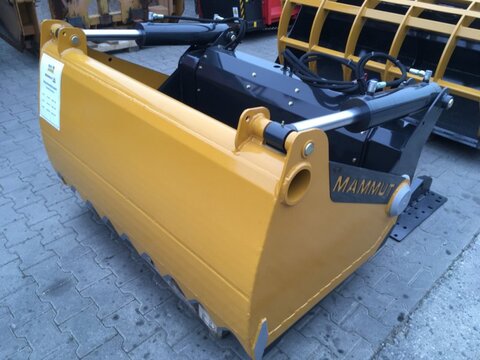
Feeding technology is the backbone of feeding your animals. With the right feeding technology, you can reduce your workload and optimally control the supply of nutrients to your animals. From feed mixers and silage block cutters to feed distribution wagons and modern feeding robots, the technology offers a wide range of solutions that meet the individual needs of farms. Efficient feeding technology ensures consistent and needs-based feeding, which can sustainably improve animal health and performance.

Self-built feeding system


Feed mixers, feed distributors, feed pusher & feeding robots: Optimized feeding for modern farms

Feed mixers, feed distributors, feed pusher and feeding robots are indispensable equipment for efficient and animal-friendly feeding in modern agriculture.

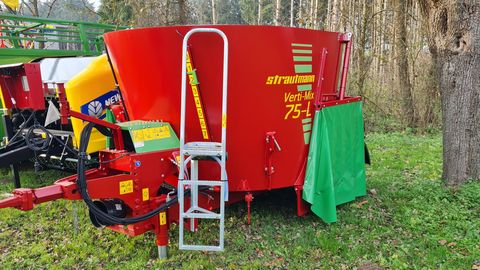
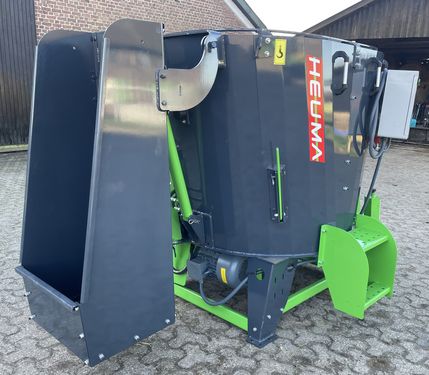
  • Feed mixers are the basis for balanced animal nutrition and enable the precise mixing of rations for optimal nutrient supply to the animals. They are indispensable for evenly mixing different feed components such as silage, hay and minerals.
  • Fodder distributors ensure that the feed is distributed evenly and according to requirements along the feeding areas, saving time and labor. Even distribution ensures that each animal has access to sufficient feed, which reduces rank battles and promotes even nutrient intake.
  • Feed pushers are used to continuously push the feed within reach of the animals. In this way, leftover feed that would otherwise remain at the edge of the feed trough is returned to the feeding area, minimizing the waste of valuable feed.
  • Finishing robots finally, offer a fully automated solution that takes over the entire feeding process independently according to time and quantity. They provide the feed ration fully automatically, improve efficiency and promote animal health through regular feeding. Overall, these modern technologies help to optimally tailor feeding to the needs of the animals and increase the profitability of the farm.


Silo technology: silage block cutters, silage cutters and round bale looseners for precise feed removal

Silo technology includes important machines for storing and removing feed as required. Various devices such as silage block cutters, silage cutters and round bale looseners are specially designed to make daily feed removal more efficient and gentle.

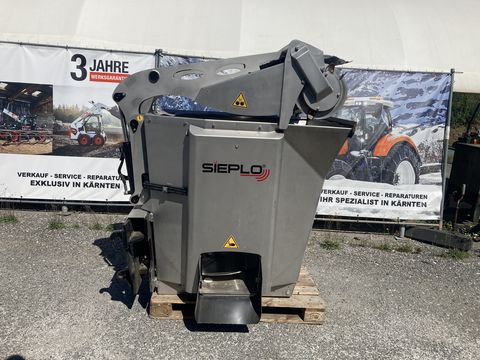
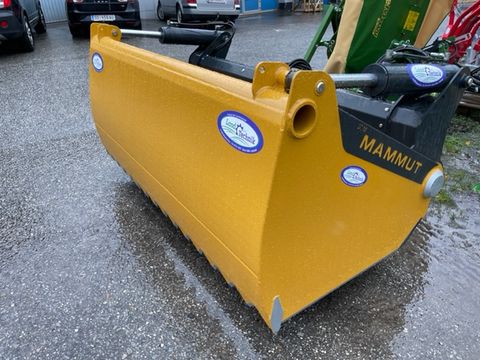
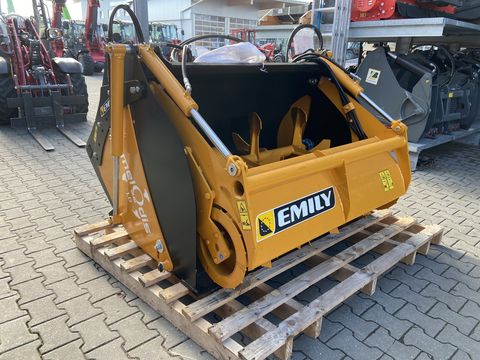
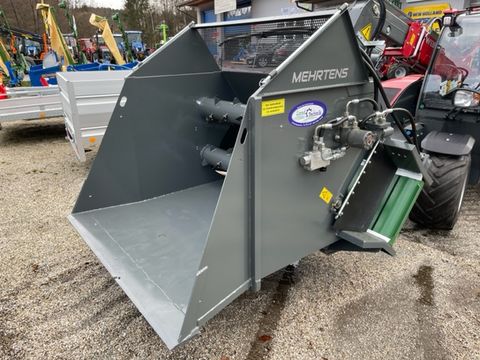
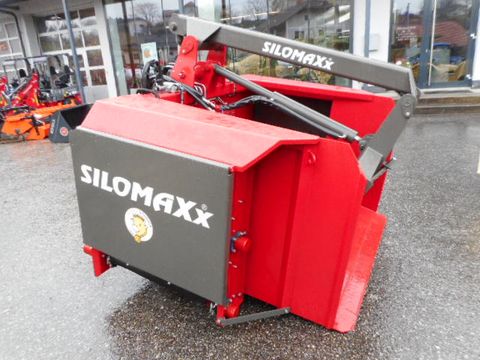
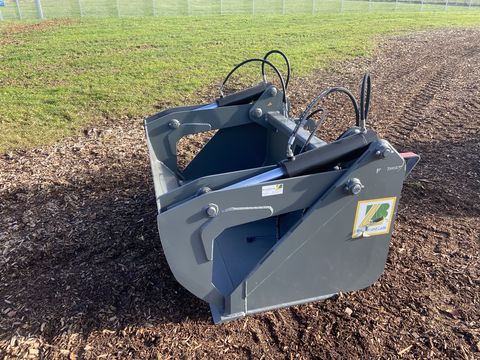
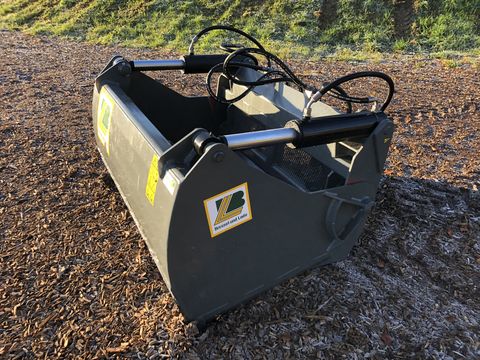
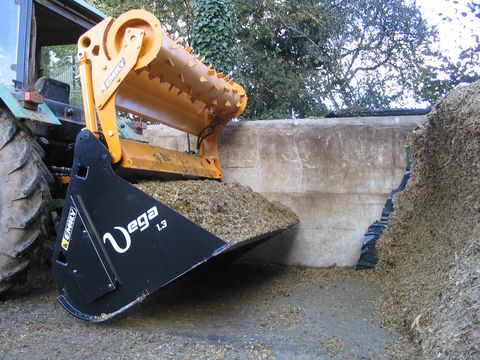
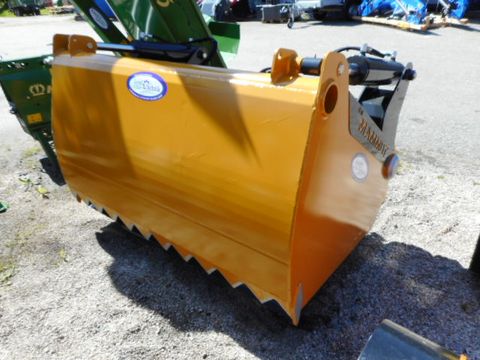
  • Silo block cutters are ideal for the targeted removal of large silage blocks from the silo. The precise cut keeps the residual silage firm and compact, which improves the shelf life of the feed. These machines are particularly suitable for farms that value controlled and low-loss removal.
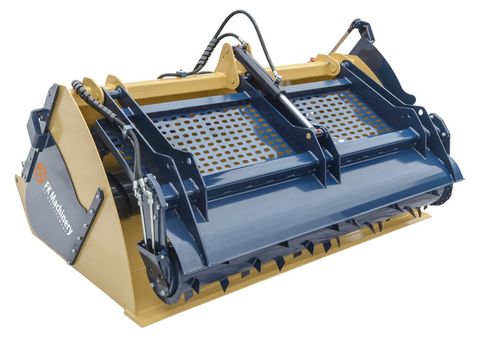
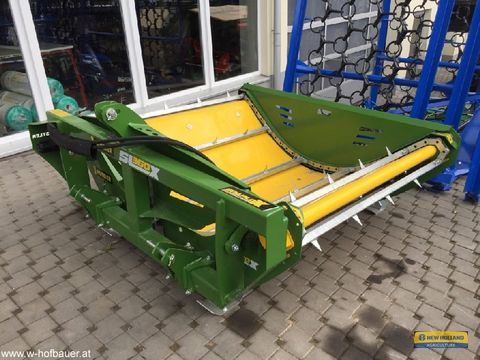
  • Silo cutters enable flexible and fast removal of the desired amount of feed. They work with a milling unit that loosens the feed and makes it available for direct further processing. Silage cutters are particularly popular on large farms, as they can process large quantities of silage quickly and significantly reduce feeding times.
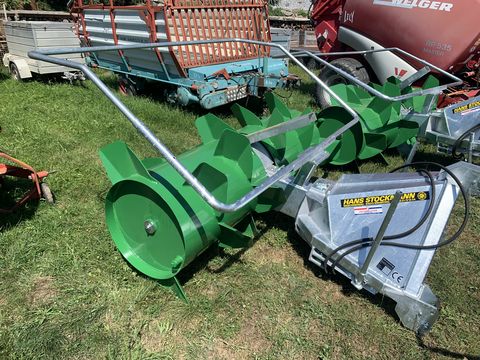
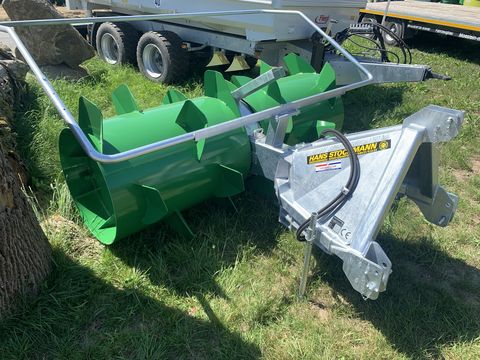
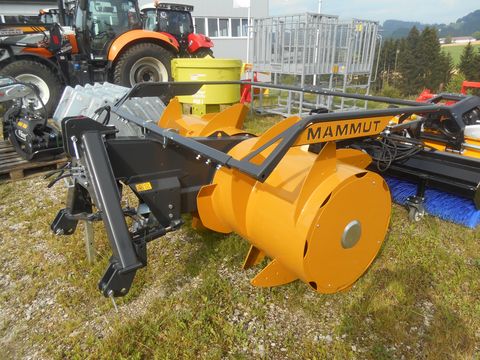
  • Round bale looseners are specially designed for processing and shredding round bales. They make it easier to break up and distribute the feed so that it can be distributed directly and evenly in the barn. Round bale breakers are an ideal solution for farms that regularly feed round bales and require efficient handling.


Why used feeding equipment is a smart choice

Used feeding equipment is a cost-effective alternative to new machines and offers farmers the opportunity to purchase high-quality machines at attractive prices. Many used machines are still efficient and reliably perform their tasks in the barn, especially if they have been well maintained. By purchasing used technology, farms can reduce their investment costs and at the same time rely on proven technology that has often already been tested for robustness and durability. This makes used feeding technology the ideal choice for cost-conscious farmers who still want to focus on quality and efficiency.


Frequently asked questions on the topic of "feeding technology"

When is it worth buying an automatic feeder?

  1. Automatic feeders are particularly worthwhile for farms that want to automate feeding and thus save working time. For large herds in particular, these systems are an investment that can quickly pay for themselves.


Which feeding technology is suitable for dairy cows?

  1. Feed mixers and automatic feeding systems are suitable for dairy cows, as they ensure the feed is distributed evenly. Mixing systems that adapt the feed individually to the needs of the cows to optimize milk yield are particularly popular.


Which manufacturers are leaders in feeding technology?

  1. The leading manufacturers in feeding technology include companies such as Mammut, Siloking and Trioliet. These brands stand for durable machines that deliver high performance, even when used.


What are the differences between the various silage technology systems?

  1. Silo technology can vary depending on the farm, from simple silo removal cutters to complex silo systems. The choice depends on factors such as the size of the farm, the number of animals and the desired level of automation.


What factors influence the choice of the right silo technology?

  1. The choice of the right silo technology depends on the size of the farm, the type of feed and the desired level of automation. For small and medium-sized farms, a simple silage block cutter is often sufficient, while larger farms benefit from a silage cutter or an automated silage removal system. The type of storage and the feeding strategy also play a role, as different silo technologies can process different quantities and types of feed.


What are the advantages of using modern silo technology for feed removal?

  1. Modern silo technology enables targeted and low-loss feed removal from the silo, which preserves the quality and nutrient composition of the feed. Silo technology such as silo block cutters and silo cutters ensure that the feed remains compact and protected in storage, which minimizes mould growth and spoilage. This not only improves feed quality, but also reduces the amount of work required in the barn.